Friday, December 25, 2009

Chinese Dragon Tattoo Images

Text As Images in Tattoo Design
By William Connor
Recently I was approached by someone asking for assistance in designing a pair of tattoos; one of them and one for their partner. They were concerned about using text rather than images. Initially they wanted to simply get a tattoo of each other's names, but through the course of discussion, they began to think about accompanying images that were meaningful to them in various ways. Effectively, they became confused and overwhelmed making their decision. The idea of text compared to images needed to be explained and explored.


Text is imagery. Font, point size, kerning, and script all come into play when considering text for a tattoo. The main difference, and even then only in part, is the semantic association with the chosen text. Initially, the couple mentioned above had disassociated the imagery of the text itself with the semantic meaning. Once the elements of the text as art became clear, they needed advice. What style should they get? How large should the text be? How far apart should the letters be spaced? Should the words the wanted tattooed be in their first language or in another?


Using one's first language for text tattoos has immediate meaning and most likely meaning for those most often admiring their artwork. Using another language could make the meaning of the text or characters more personal, almost secretive, in the same way that some religious text is "hidden" from public knowledge. Some Buddhist texts, for instance, are written in scripts only taught to monks such that mostly only those who study the text can gather the semantic meaning behind the text. Choosing to use the Chinese character for love would only mean love to those who can read the character unless explained, otherwise it would be a beautiful array of stokes and lines rather than an idea. Pierician semiotics discusses this very concept and that is beyond the scope of this article. What should be addressed is the level of exposure of the meaning behind the text tattooed: will most admirers understand the artwork or is something more private preferred?


Placing the text also comes into play. The length and shape of the artwork may be determined by the kerning of the characters and the style of font used. This will interact dialectically with the canvas provided by the receiver's body. What space on the skin that is available and desirable will in part determine the size and shape of the text.


Text need not be isolated, either. Surrounding or integrating text and characters with non-semantic artwork can provide a combination of meanings and increase the shapes and styles to be thematically presented through tattooing. Related non-semantic artwork to semantic text is a perfectly acceptable parallel presentation, as is creating a collage of meaningful images and words to form a more complicated and in depth personalized tattoo.


Semiotic discussions may well be too complicated of a concept when thinking about creating a personalized tattoo, but it is important to remember the concept that text is artwork in and of itself when choosing to incorporate semantic meaning into tattoo design. Enlisting the assistance of an online tattoo design service can be very helpful to ensure the beauty and clarity of a text oriented design. Read some reviews of services and select the service that is best for you. Some services are even text specific, such as Chinese language tattoo design sites, and these services will always have experienced artists available to help you make informed decisions when creating your custom text oriented tattoo designs.

Monday, December 21, 2009

Bollywood actress Deepika Padukone on Sunday unveiled the Kingfisher 2010 Calender.


Bollywood actress Deepika Padukone on Sunday unveiled the Kingfisher 2010 Calender. Over the last seven years the Kingfisher Calendar has become synonymous with the hottest models, exotic locations, stunning photographs and has been the most sought out swimsuit calendar in the country. The eight edition of the swimsuit has been photographed by Atul Kasbekar

Deepika Padukone said "In the beginning of my career, I was a part of the calendar and it's becoming better every year. Girls in this calendar have done a fantastic job. Deepika who figured in the 2006 edition of the calendar added It's of international standards and it's one of the best calendars in the world.” Chairman of the UB Group Vijay Mallya was also present on the occasion.From:entertainment.oneindia.in

Monday, December 14, 2009

black&white

It’s raw and refined, emotional and apathetic, simple yet elegant.

Saturday, December 5, 2009

Friday, December 4, 2009

Saturday, November 28, 2009

Chinese Dragon Tattoo Gallery

About Chinese Dragon Tattoo - What Most People Don't Know But Should
By Fanyun Ding


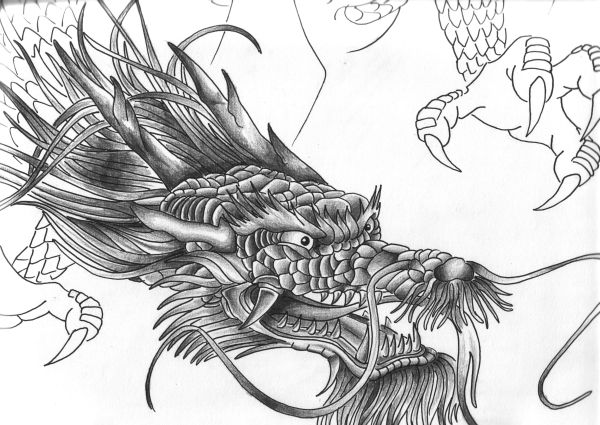
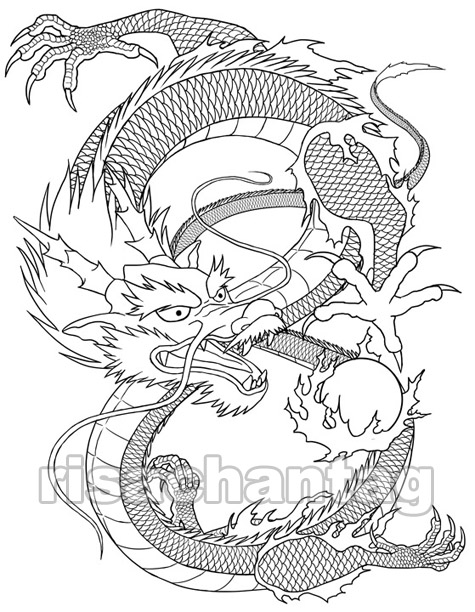
Chinese dragon is a mythical divine beast originated from ancient Chinese folklores. It is now commonly depicted as a huge, serpentine, and scaled creature. Unlike "western dragon" that has been described as evil, Chinese dragon has long been symbolized as the power of auspice both in folklore and art. Created on the land of an agriculture-oriented country, Chinese dragon is believed to bring rain and water, which well explains the position it takes in Chinese culture.


For centuries, Chinese people proudly refer to themselves as "Long De Chuan Ren", or "Descendants of the Dragon". This ethnic identity is believed to originate from Huang Di, a benevolent, legendary emperor who was said to have been immortalized into a dragon. Since Huang Di is considered to be the ancestor of Chinese, hence the saying "Descendants of the Dragon".

Due to that Huang Di myth, Chinese dragon is also symbolized as an imperial power. For dynasties, emperors were referred to as "Long Zi" or "offspring of the dragon", who wore imperial robes with dragons drawn on and claimed to have a dragon birthmark as a divine authorization by heaven.


Chinese dragon is also among the 12 animals of the Chinese zodiac, a special Chinese way of designating years. To be more specific, year 2000,1988,1976,1964,1952 or any year with a 12-year gap between would be year of the dragon. In order to be "like a dragon", there are more babies born in the years of dragon than in any other animal years of the Chinese Zodiac.

Given all the foresaid reasons, it is not hard to understand why Chinese dragon is so popular among tattoo lovers. In fact, if you happen to be born in those dragon years, it's much recommended that you get a dragon tattoo because you are born blessed to be connected with Chinese dragon.


Basically, Chinese dragon is being tattooed in two forms: picture and character. Some prefer to have their whole back area tattooed with a vivid picture of dragon, while others may be satisfied with the Chinese character of "dragon" tattooed within a one-inch square of area. For dragon picture tattoos, a careful selection of the picture as well as the tattoo artist would be enough to ensure a quality dragon tattoo. For dragon character tattoos, however, it takes efforts to find a great tattoo idea, since you have to take many factors into consideration, including the literal meaning, the "actual" meaning, and the "cultural meaning" of the word that you select. Well, that's just the tricky thing of Chinese.

Fortunately, there are many Chinese phrases that associate with the idea of Chinese dragon. Followings are three dragon-related Chinese idioms for your reference.

Shen Long Ma Zhuang/ Long Shen Ma Zhuang

strong and energetic with an impressive bearing.


Both Shen Long Ma Zhuang and Long Shen Ma Zhuang are legitimate as an idiom, as in many cases Chinese characters can be reversed in words yet remain a similar meaning, just like this one.

Literally speaking, Shen means "magical, with divine power", Long means "dragon", Ma means "horse" and Zhuang means "strong". In Chinese culture, horse is considered intelligent, powerful and friendly to human, which therefore is used together with dragon in this idiom to describe the state of being strong and energetic.

By the way, Shen would be quite a nice character to ink alone, which could also mean "Almighty".

Ru Long Si Hu: valiant and energetic

Both Ru and Si means "like" in Chinese, so this idiom literally means "like a dragon like a tiger". Traditionally, Hu(tiger) and Long(dragon) are used together in phrases, idioms, and sayings to display a status of being strong, in power, and dominant. Needless to say, this idiom would be definitely fit for males since it's full of strength and masculinity.


What's worth noting, however, is that Long usually appears before Hu in expression, and it would seem weird when reversed. That being said, it would be a great idea to add Hu to your tattoo if your former choice was to ink Long alone, yet the right way to do this would be to ink "Long Hu", not "Hu Long".

Huo Long Xian Jian: strong and vigorous

Literally speaking, Huo means "alive", Long means "dragon", Xian means "fresh", and Jian means "healthy". When combined together, they form a unique Chinese idiom, one with a new and congruent meaning. Great literal meaning, great actual meaning, and great cultural meaning, this one is definitely fit for tattooing.

These dragon-related Chinese idioms are the literary and cultural embodiment of dragon and they truly live up to the standards of a unique and smart Chinese tattoo. It will be so amazing if you find one that best fits your personality. A Chinese tattoo dragon can be much more than an ink, but a special identity that helps you stand out of the crowd.

Chinese Dragon Tattoo Flash

Chinese Tattoos - Meaning of Chinese Dragon Tattoos
By Declan O Reilly

Chinese Tattoos have always been hugely popular. At one stage they were the realm of criminals and the mafia. Now it seems even Hollywood celebrities seem to have caught on to the mystery and allure of the Far East. While it is undeniable that classic Chinese tattoos have an attraction which can easily be appreciated regardless of whether one can understand the often subtle meanings or not.


Aesthetics should be the primary consideration when getting tattooed, and Chinese characters are very well suited to this purpose. While tattoos have always been conversation pieces, Chinese tattoos add another element, since the typical viewer will probably ask you the meaning, which allows the wearer to not only translate the characters, but to explain the story behind the decision to make such a lasting statement.

Meaning is an important question however and for this reason can make Chinese tattoos date very quickly. Often it is not quite what the wearer was told by the tattooist at the tattoo shop or the meaning can become irrelevant after a few years.


Hopefully the person being tattooed has done his or her research and consulted with a native Chinese speaker about the meaning before being inked. Some non Chinese speakers have unwittingly tattooed their bodies with Chinese symbols which when translated become meaningless.

The most common Chinese tattoos are ones that are supposed to represent ideas and qualities like love or strength. Keep in mind that the concepts are aimed at English speakers, and on that level "peace, love and happiness" are easily understandable.


But before you run off to the studio to get one done you should do your research. Selecting a Chinese tattoos deserves careful study and attention. It should have less to do with style and more to do with your character, work, and values. It's permanent, so it's a pretty important decision in your life. In the end, it is important to choose something of lasting appeal not something faddish.


Chinese Dragons

For centuries, the Chinese dragon has been a symbol of power and mystery. Depicted in countless legends, both Eastern and Western, the dragon has provoked man to fear and worship it. In medieval Europe, it was a bloodthirsty, fire-breathing figure. Its malevolence and ferociousness struck terror in all. However, in Asia, it is the contrary. The mighty dragon is a mythical beast long celebrated for its benevolence, intelligence and good will. The Chinese dragon has been a common symbol of identity for Far Eastern cultures.


In fact, Chinese people all over the world are affectionately known as “lung de chuan ren”, or the "descendants of the dragon”. There are several distinct species of Chinese dragons. The Horned Dragon is considered to be the mightiest. The Celestial Dragon supports the heavens and protects the Gods. The Earth Dragon rules all of the earth. The Spiritual Dragon controls the wind and rain. The Treasure Dragon is the keeper of precious metals and gems. The Winged Dragon is the only dragon with wings. The Coiling Dragon dwells in the ocean. The Yellow Dragon is a hornless dragon known for its scholarly knowledge.